


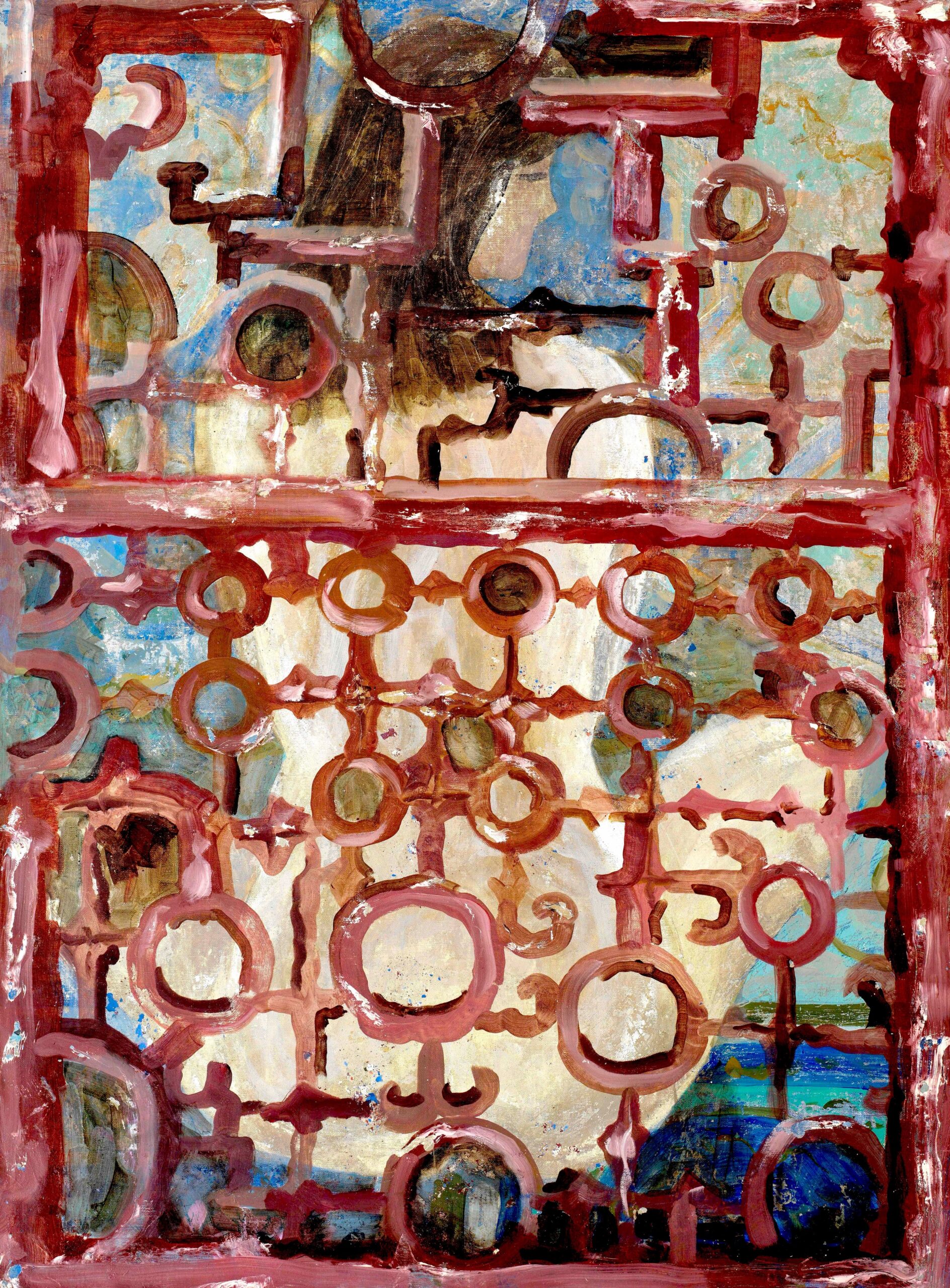
Huang Yi Min is an internationally recognized Chinese-American artist whose work bridges history, memory, and imagination through a distinctive surrealist vision rooted in traditional Chinese culture. Born in Shanghai, China, in 1950, Huang has spent decades transforming personal experiences and cultural heritage into thought-provoking paintings that explore themes of identity, freedom, and resilience. Her celebrated series, The Forbidden City of Freedom, reflects a lifelong commitment to examining the relationship between history and contemporary life, inviting viewers to look beyond architecture and symbolism to discover deeply human stories of emotion, confinement, and hope.
With a career spanning several decades, Huang has developed an artistic language that combines traditional Chinese aesthetics with surrealist imagination. Her paintings are not simply representations of architecture or figures; they are visual narratives that encourage viewers to reflect on history, society, and the emotional experiences that connect generations across cultures.
A Life Shaped by History
Huang Yi Min’s artistic journey was profoundly influenced by the historical events she experienced during her youth. At the age of sixteen, she lived through the Cultural Revolution, a decade that disrupted education, challenged artistic expression, and led to the widespread rejection of many aspects of China’s traditional culture.
Despite these difficult circumstances, Huang remained deeply committed to learning and creating. While working as a farmer in the countryside, she continued to practice drawing and cultivate her appreciation for traditional Chinese art and culture. Those years taught her resilience, patience, and the importance of preserving cultural heritage even during periods of uncertainty.
Rather than allowing hardship to define her future, Huang transformed those experiences into a lifelong source of artistic inspiration. The themes of memory, identity, and perseverance that appear throughout her work are rooted in these formative years.
Building an Artistic Foundation
After the Cultural Revolution, Huang pursued formal artistic education at the Fine Arts Department of Beijing Normal University. There she strengthened both her technical skills and her understanding of traditional and contemporary artistic principles.
Following graduation, she joined China Children’s Publishing House as an art editor. The position provided valuable opportunities to produce continuous character sketches and landscape paintings while refining her artistic discipline. Through years of observation and experimentation, she gradually developed a surrealist style grounded in traditional techniques but enriched with symbolism and imaginative storytelling.
Her paintings evolved beyond literal representation, becoming visual explorations of emotional and psychological landscapes where reality and imagination exist side by side.
Where Tradition Meets Surrealism
One of the defining characteristics of Huang Yi Min’s work is her ability to merge traditional Chinese cultural imagery with surrealist composition.
Rather than recreating historical scenes exactly as they appeared, Huang constructs imaginative environments where different periods of history coexist. Ancient imperial architecture stands alongside ordinary residential buildings, creating unexpected visual relationships that encourage viewers to think about how history continues to influence modern life.
This blending of tradition and imagination allows Huang to create paintings that feel both familiar and dreamlike. Her work honors China’s rich artistic heritage while inviting contemporary audiences to interpret history through a fresh and deeply personal perspective.
The Forbidden City as an Emotional Landscape
For nearly two decades, Huang has centered much of her artistic practice around one of China’s most iconic landmarks, the Forbidden City in Beijing.
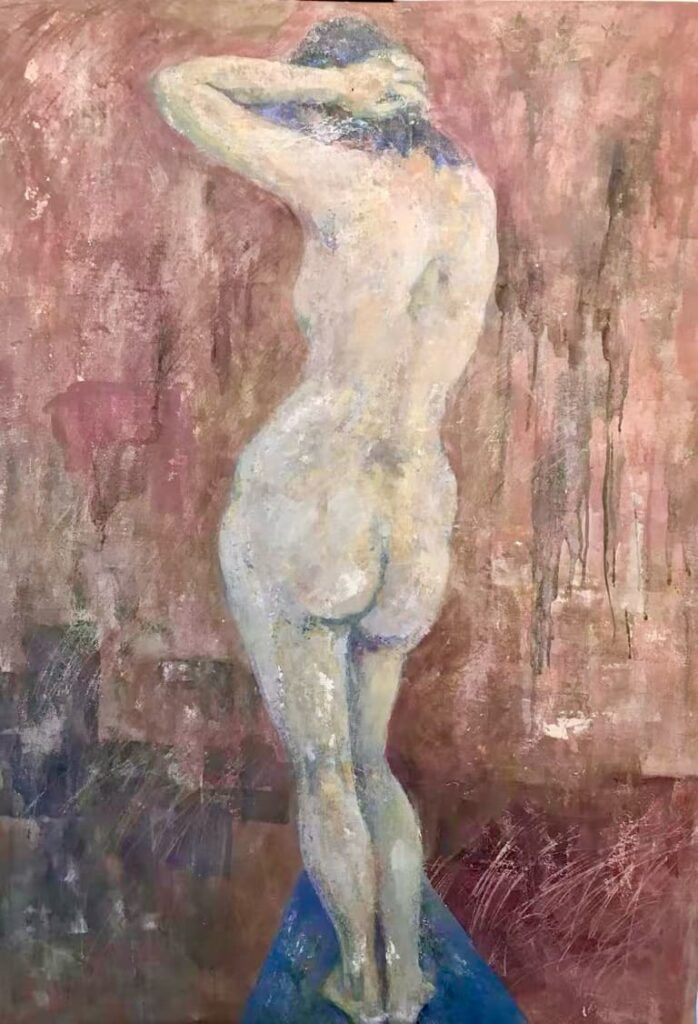
Instead of treating the imperial palace simply as a historical monument, she transforms it into a symbolic stage where architecture becomes a reflection of human emotion. The grand walls, gateways, and vibrant colors of the Forbidden City become metaphors for memory, identity, protection, and restriction.
Within these compositions, the palace exists not only as a physical location but also as a psychological space where history meets imagination. By placing ordinary residential buildings alongside the famous imperial complex, Huang creates conversations between the past and the present, suggesting that history remains deeply connected to everyday life.
This long-running exploration has become the foundation of her acclaimed series, The Forbidden City of Freedom, one of the defining achievements of her artistic career.
Exploring the Women of the Forbidden City
Among the many themes within The Forbidden City of Freedom, Huang’s exploration of women stands out for its emotional depth and symbolic power.
Using the colors, atmosphere, and architectural forms of the Forbidden City, she portrays women whose lives are shaped by visible and invisible boundaries. Rather than focusing solely on historical figures, Huang creates symbolic representations of women whose experiences speak to universal human emotions.
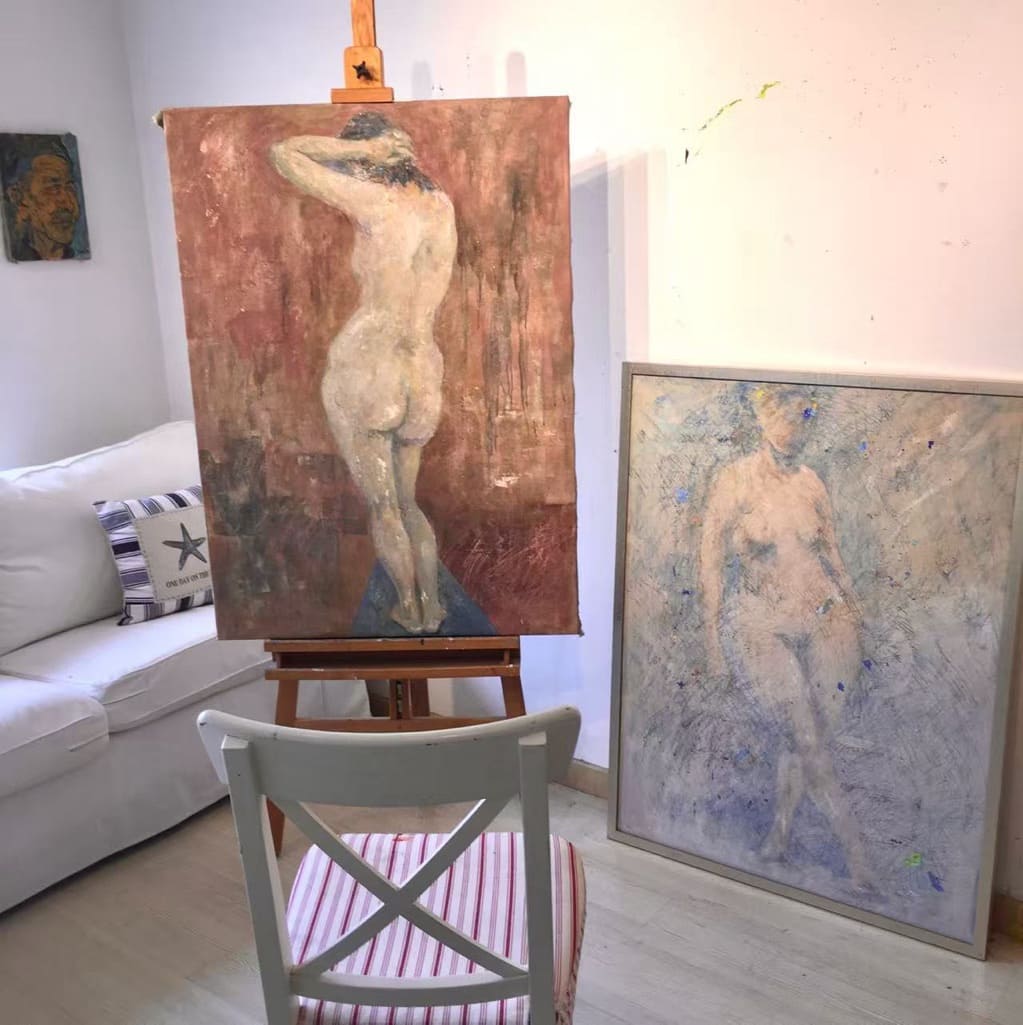
The women in these paintings are confined not only by physical surroundings but also by the expectations, responsibilities, and limitations imposed by reality. Huang describes their consciousness as resembling the walls that surround them, powerful barriers that exist both externally and internally.
To communicate these ideas, she carefully selects colors, forms, and compositions that reinforce emotional meaning. Architectural structures become symbols of psychological confinement, while light and color suggest hope, resilience, and the possibility of transformation.
The result is a series that encourages viewers to reflect on freedom not merely as physical movement but as a state of mind shaped by personal experience and self-awareness.
Symbolism Through Color and Composition
Color plays a central role in Huang Yi Min’s artistic language. Every palette is thoughtfully chosen to communicate emotional atmosphere rather than simply decorate the composition.
The rich reds, golden tones, and muted architectural colors associated with the Forbidden City evoke both grandeur and restraint. These colors interact with contemporary surroundings to create visual tension between tradition and modernity.
Similarly, Huang’s compositions emphasize the relationship between people and space. Monumental walls, open courtyards, narrow passages, and surrounding residential buildings become active participants in the story, influencing how viewers interpret each scene.
This careful balance of symbolism, composition, and color allows Huang’s paintings to communicate complex ideas with elegance and subtlety.
International Recognition
Huang Yi Min’s unique artistic vision has earned widespread recognition beyond China.
Her work has been reviewed by The New York Times, acknowledging the significance of her artistic contributions and distinctive visual language. She also received the prestigious Anna Walinska Academic Achievement Award in the United States in recognition of her accomplishments.
Her paintings have been collected by directors and private collectors associated with the Singapore Museum of Art, the Hong Kong Museum of Art, Singapore Simin Art Gallery, the New York Crystal Art Foundation, the New York Chinese Gallery, the Director of the Newark Museum of Art, and numerous private collections around the world.
These achievements reflect the universal appeal of her work, demonstrating how deeply personal experiences can resonate with audiences across different cultures.
A Lasting Artistic Legacy
Huang Yi Min’s career is a testament to the enduring power of art to transform history into meaningful contemporary dialogue. Drawing from personal experience, cultural heritage, and imaginative storytelling, she has created a body of work that speaks to themes of resilience, identity, memory, and freedom.
Through The Forbidden City of Freedom, Huang reimagines one of the world’s most recognizable historical landmarks as a living symbol of human emotion. Her paintings encourage viewers to look beyond architecture and explore the invisible structures that shape our thoughts, choices, and sense of self.
By combining traditional Chinese artistic influences with surrealist expression, Huang continues to create works that transcend time and geography. Her art reminds us that while history shapes our lives, imagination gives us the freedom to reinterpret it. Through every carefully composed painting, she invites audiences to consider not only where we come from but also the possibilities that emerge when memory, culture, and creativity come together in pursuit of artistic freedom.
