


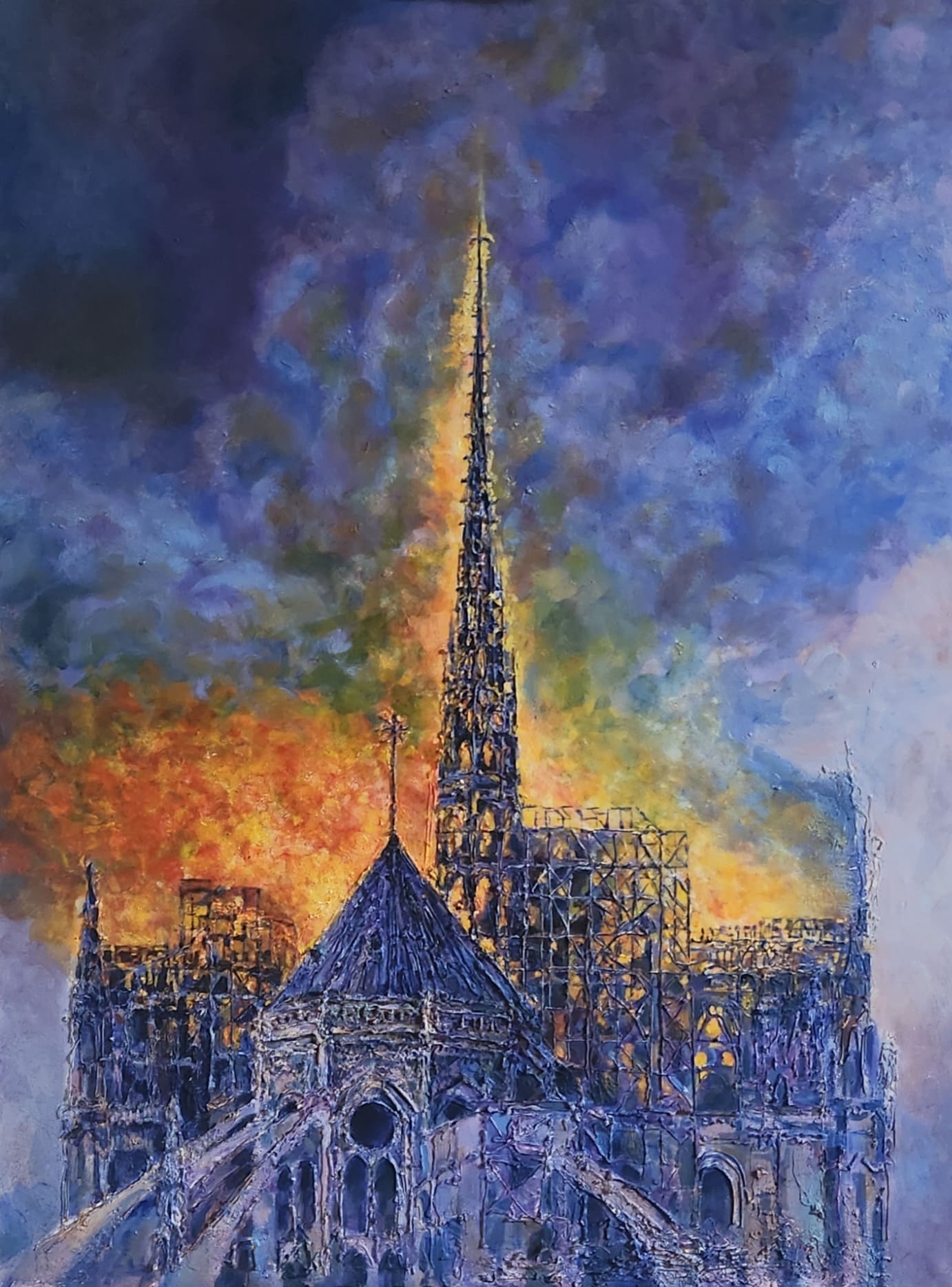
Yu Lin is a Boston based artist whose work explores the balance between discipline and intuition through drawing and painting. With over a decade of experience, his practice reflects a deep commitment to understanding both the technical and conceptual aspects of art. His journey from studying art history to pursuing hands on training has shaped a thoughtful artistic voice grounded in minimalism, precision, and intentionality.
Early Influences and Artistic Foundations
Yu Lin began his artistic path with a focus on art history during his college years. While studying the evolution of visual culture, he developed a strong curiosity about the act of creating art itself. This curiosity eventually led him to pursue practical training after graduation, marking a turning point in his development.
A major influence on his growth has been his mentor, Valeriy Mavlo, whose guidance played a significant role in shaping his approach to art. Under this mentorship, Yu Lin focused on traditional techniques and foundational principles such as composition, structure, and visual clarity. This period allowed him to build a strong technical base while forming his own artistic perspective.
The Discipline of Drawing
Before transitioning fully into painting, Yu Lin dedicated significant time to drawing, particularly using pen as his primary medium. His early works emphasize a minimalist approach, relying on line and texture to construct expressive portraits.
Working with pen introduced a level of discipline that became essential to his artistic philosophy. Since pen marks cannot be erased, each decision carries weight. This forced him to carefully consider every line and focus only on the most important elements of the subject. Through this process, he developed the ability to simplify complex forms while maintaining depth and meaning.
This phase of his practice helped him gain confidence and establish a visual language centered on restraint. By using fewer elements to communicate more, Yu Lin laid the foundation for his later work in painting.
Transition to Painting
After building confidence through drawing, Yu Lin moved into painting while maintaining his minimalist philosophy. However, he quickly realized that painting required a different mindset and approach.
Unlike drawing, painting introduces time as a key factor. The drying process and layering techniques create a slower and more flexible workflow. While this allows for correction and adjustment, it also introduces uncertainty. Yu Lin approaches this challenge with what can be described as disciplined creativity, where each decision is carefully considered within the overall composition.
Painting, for him, becomes a balance between control and patience. While it is more forgiving than drawing, it requires careful planning to avoid losing clarity. This contrast between mediums continues to shape his evolving practice.
Minimalism as a Core Philosophy
Minimalism lies at the heart of Yu Lin’s work. His goal is to achieve the greatest possible impact using the fewest elements. This approach is not about reduction alone but about clarity and focus.
By removing unnecessary detail, he directs attention to the essential aspects of the image. This creates space for viewers to engage more deeply with the work, encouraging interpretation and reflection. His compositions often feel quiet yet powerful, inviting viewers to slow down and observe more carefully.
This philosophy extends across both his drawings and paintings, creating a consistent visual identity that emphasizes intention and precision.
Material Exploration and Conceptual Approach
In his recent work, Yu Lin expands his practice through the use of unconventional materials. Combining all purpose waterproof sealant with oil paint on canvas, he introduces texture and physical depth to the surface.
These materials create a sense of decay and instability, with forms that appear to melt or dissolve. This visual effect aligns with his exploration of counter-cultural and anti-establishment themes. The surface itself becomes part of the narrative, suggesting a breakdown of structure and order.
The use of such materials adds an element of unpredictability to his work. While the composition remains controlled, the behavior of the materials introduces variation and movement. This tension between intention and chance becomes a key aspect of the final piece.
Influence and Inspiration
The conceptual direction of this work is influenced by the dystopian imagery of Max Ernst. Known for his imaginative and often unsettling compositions, Ernst explored themes of transformation and instability.
Yu Lin draws from these ideas while maintaining his own distinct approach. Instead of detailed surrealist imagery, he translates similar concepts through abstraction and material experimentation. The result is a contemporary interpretation that feels both subtle and emotionally engaging.
His work does not rely on direct storytelling but instead creates an atmosphere that encourages viewers to reflect on change, structure, and perception.
Balancing Control and Freedom
A defining aspect of Yu Lin’s practice is the balance between control and freedom. In drawing, precision and permanence demand careful decision-making. In painting, the process allows for flexibility and evolution over time.
Yu Lin navigates these differences by combining discipline with openness. He maintains clarity in composition while allowing materials to introduce variation. This approach creates work that feels intentional yet dynamic.
The interplay between these elements reflects a broader exploration of structure and unpredictability, both within the artwork and in the world it represents.
Conclusion
Yu Lin’s artistic journey reflects a deep engagement with both process and philosophy. From his early focus on drawing to his evolving work in painting, he continues to refine a practice rooted in minimalism and intention.
Through careful mark making, material experimentation, and conceptual depth, Yu Lin creates work that invites thoughtful observation. His ability to use restraint as a tool for expression results in compositions that are both subtle and impactful.
As his practice continues to evolve, Yu Lin remains committed to exploring the relationship between control, material, and meaning, offering a distinctive voice within contemporary art.
