


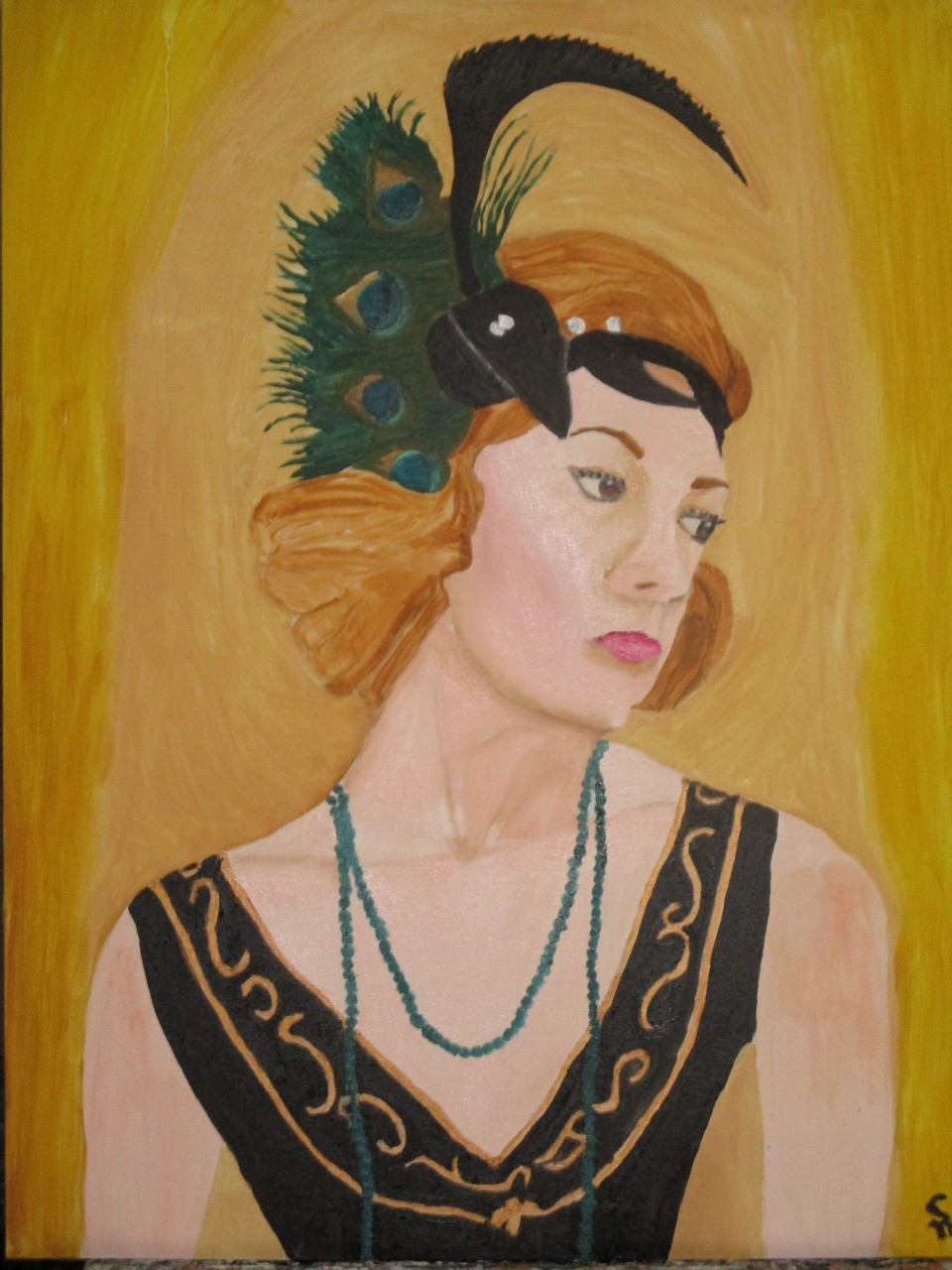
Clifford Riley’s artistic journey began at the remarkable age of twelve, marking the start of a lifelong commitment to painting that has now spanned more than six decades. Throughout those years, the creative process has evolved into something far more profound than simply recreating the visible world. Every canvas represents an exploration of emotion, personality, and the invisible qualities that make every human experience unique.
Years of dedication have shaped a distinctive artistic voice that refuses to be confined by conventional labels. While technical skill and careful observation remain essential elements of the work, the true focus extends beyond physical appearance. Instead, each composition seeks to reveal what cannot always be seen: the emotions, memories, and inner life that exist beneath the surface.
Exhibitions throughout the United States and Europe have introduced this vision to diverse audiences, allowing viewers from different cultures to connect with paintings that speak a universal emotional language. Regardless of geography or background, the response remains remarkably similar: people recognize something deeply familiar within the images before them.
The Philosophy of “Minualistic Realism”
At the heart of this artistic practice lies a personal style described as “minualistic realism.” Rather than striving for photographic perfection or embracing complete abstraction, this approach finds a thoughtful balance between realism and emotional simplicity.
The philosophy behind this style is rooted in the belief that less can often communicate more. By carefully selecting which visual elements deserve emphasis and which should remain understated, attention naturally shifts toward the emotional presence of the subject. Every brushstroke serves a purpose, creating compositions that feel both refined and deeply expressive.
This unique interpretation of realism encourages viewers to slow down and engage with the artwork beyond its immediate appearance. Details are never included simply for decoration. Instead, every decision contributes to building an atmosphere that invites reflection and emotional participation.
Through decades of experimentation and refinement, this signature approach has become instantly recognizable, demonstrating that originality often develops gradually through years of consistent practice rather than sudden inspiration.
Painting Feelings Rather Than Faces
Perhaps the most defining characteristic of this body of work is the conviction that painting is ultimately about emotion rather than appearance.
While many artists focus primarily on accurately representing physical features, the greater challenge lies in communicating what a person feels. Facial expressions, posture, color, and composition all become tools for revealing the emotional landscape that exists beneath external identity.

The guiding philosophy is beautifully simple: human beings may experience countless emotional variations, yet these countless feelings emerge from only two fundamental emotional states. Between those emotional poles exists an endless spectrum of subtle experiences: hope, uncertainty, compassion, longing, resilience, joy, melancholy, peace, vulnerability, and countless others.
Capturing these emotional transitions becomes the true purpose of every painting. Instead of presenting a static portrait, each artwork offers a moment suspended between emotions, allowing viewers to discover reflections of their own experiences within the image.
This emphasis transforms every subject into something more universal. Rather than merely depicting an individual, the paintings explore what it means to be human.
Revealing the Soul Behind the Subject
Creating a successful portrait involves far more than achieving anatomical accuracy. The real challenge is discovering the essence of the individual being portrayed.
Every person carries stories, memories, triumphs, disappointments, and dreams that shape who they are. Although these qualities cannot be measured or photographed, they often reveal themselves through subtle gestures, posture, and expression. The artistic process becomes an act of careful observation, patience, and empathy.
Each completed painting seeks to preserve not only the likeness of its subject but also the emotional energy that makes the individual unique. This deeper connection gives the work a lasting presence, encouraging viewers to spend time with the image rather than simply glance at it.
There is a quiet intimacy within these compositions that invites contemplation. Rather than overwhelming the viewer with complexity, the paintings offer space for personal interpretation, allowing emotional connections to develop naturally.
The Transformative Power of Color
Color plays an essential role throughout this artistic practice. It is never treated as a secondary design element but instead functions as one of the primary languages through which emotion is communicated.
Every color possesses psychological weight. Warm tones can suggest comfort, vitality, or passion, while cooler palettes may evoke reflection, serenity, or distance. Subtle shifts in saturation and contrast further influence the emotional atmosphere, creating paintings that resonate on both visual and emotional levels.

Rather than simply describing light or physical form, color becomes an extension of the subject’s inner world. It strengthens mood, deepens narrative, and enhances the relationship between viewer and artwork.
This thoughtful use of color gives each composition remarkable depth. The paintings often appear calm upon first viewing, yet continued observation reveals layers of emotional complexity that gradually unfold over time.
Six Decades of Artistic Growth
Maintaining a creative career for more than sixty years requires extraordinary dedication, curiosity, and resilience. Artistic trends have changed dramatically throughout this period, yet the commitment to authentic expression has remained constant.
Instead of following temporary movements or popular styles, the work has continued to evolve through personal exploration and careful refinement. Every decade has contributed new insights while preserving the central belief that genuine art should communicate something meaningful about the human experience.
This consistency has allowed the artistic voice to mature naturally without losing its originality. Experience has strengthened technical ability while also deepening emotional understanding, creating paintings that balance confidence with sensitivity.
Such longevity reflects not only professional achievement but also an enduring passion for creative discovery.
An International Artistic Presence
Displaying artwork across both the United States and Europe has provided opportunities to engage with audiences from diverse cultural backgrounds. Despite differences in language, history, and tradition, emotional storytelling remains universally understood.
Viewers frequently respond to the honesty and humanity found within the paintings. Whether encountered in a gallery, exhibition, or private collection, the works encourage quiet reflection and personal interpretation rather than offering fixed narratives.
This international presence demonstrates that authentic emotion transcends cultural boundaries. Paintings grounded in sincerity possess the ability to create meaningful conversations wherever they are displayed.
A Lasting Legacy of Emotional Realism
The true strength of Clifford Riley’s work lies not simply in technical accomplishment but in the ability to transform paint into emotional experience. Every canvas serves as an invitation to look beyond appearances and consider the feelings that unite us all.
Through the distinctive language of “minualistic realism,” decades of artistic dedication have produced a body of work that celebrates empathy, human connection, and emotional honesty. By focusing on the countless shades of feeling that exist between life’s emotional extremes, the paintings remind viewers that every individual carries a unique inner world deserving of attention and understanding.
In an age often dominated by speed and distraction, this thoughtful approach offers something increasingly valuable: an opportunity to pause, reflect, and reconnect with the emotional depth that defines the human experience. That enduring commitment continues to make the work both timeless and profoundly relevant, ensuring its place as a meaningful contribution to contemporary realism and expressive portraiture.
